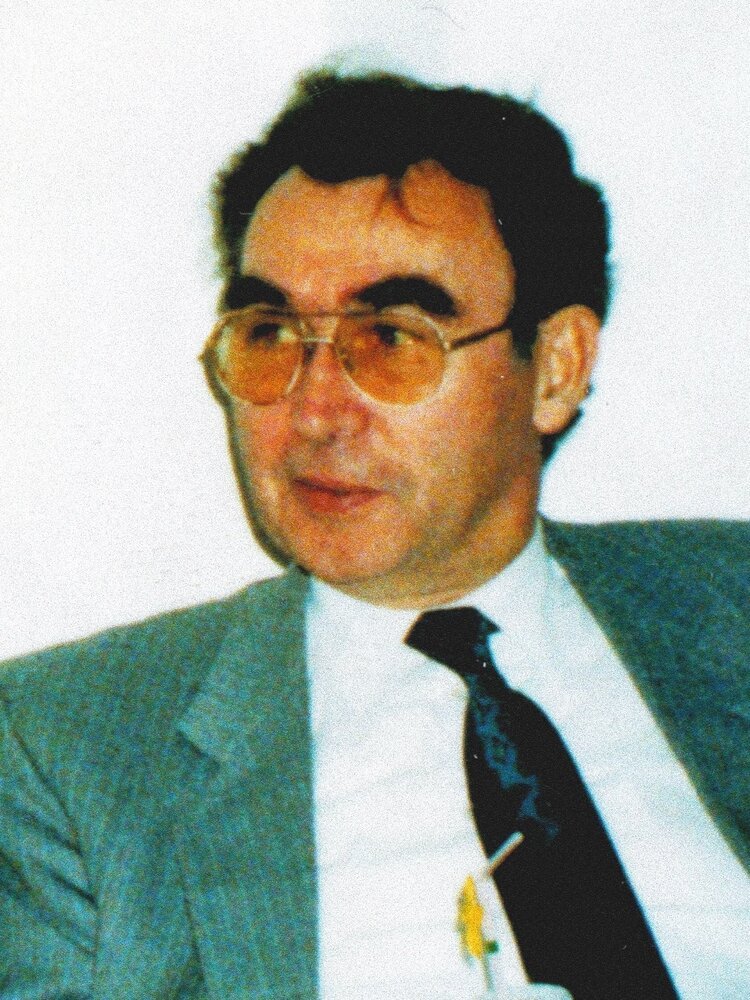
It all begins on Place d'Elmer, in Wandre, in the practice of Dr René Rixhon. There, behind a door familiar to several generations of residents, he practised general medicine from 1956, for nearly half a century.
His way of practising already belonged to a vanishing world. Seven days a week, twenty-four hours a day, from 1 August to 30 June, he remained tirelessly available. July was his only break; the rest of the year, he allowed himself no respite.
But to reduce René Rixhon to his dedication would still fall short. For he was not merely an ever-present doctor: he was a presence. A man who, little by little, entered the intimacy of families, shared their worries, their joys, their bereavements, and ended up belonging to their history.
He saw countless children of what was already no longer quite a village come into the world. He cared for their parents, accompanied their grandparents — sometimes until their final moments. In many homes, his name was passed down with a kind of silent gratitude.
And it was in this practice, in this waiting room filled with voices, confidences and hopes, that his daughter grew up. She observed there, almost without realising it, what being a family doctor truly means: not only to heal, but to watch over lives.
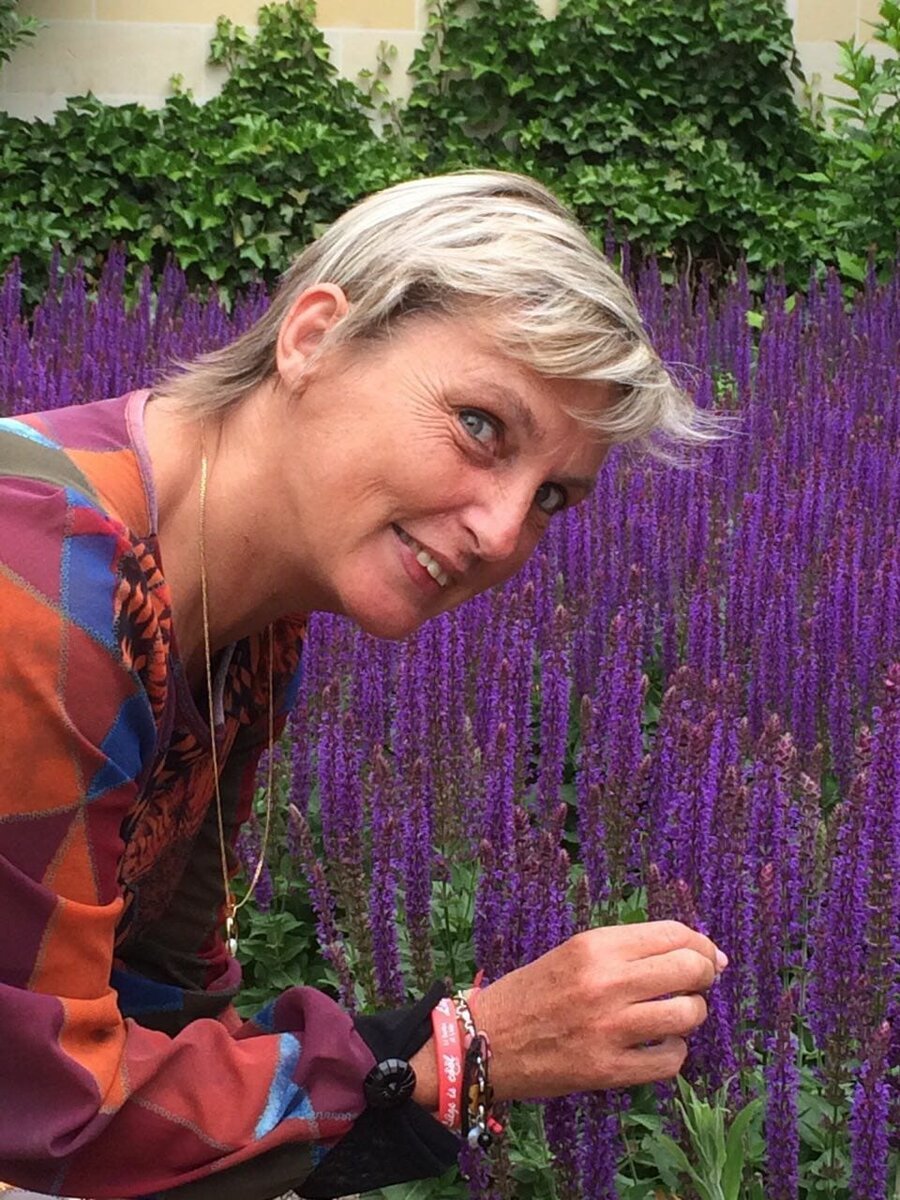
A graduate in 1983, she in turn took over the family practice, the way one carries on a story already deeply rooted in the life of a neighbourhood. For more than thirty years, she practised family medicine in the noblest sense of the term: the kind that follows generations, retains first names, recognises faces, and accompanies lives in the continuity of years.
In 2009, the practice left Place d'Elmer to settle at 105 rue du Pont de Wandre, in premises designed to meet the demands of contemporary medicine: a more accessible, brighter place, conceived to welcome everyone with simplicity and dignity. That is where the medical centre still stands today.
But beyond the walls, what truly continued there was a certain idea of care. Each patient was received with the same attention, whatever their history, their convictions or their condition. Martine Rixhon shared with those she cared for a bond of rare humanity, made of sincere listening, loyalty and reciprocal attachment.
In the years that preceded her passing, this affection came back to her with particular force. Many patients were present in their turn, through their support, their gestures, their quiet loyalty, bearing witness to the depth of the bonds she had been able to create over a life devoted to others.
The centre today bears her name — Centre Médical Martine Rixhon — not as a frozen tribute, but as the affirmed will to keep alive this way of practising medicine: close, demanding, deeply human.
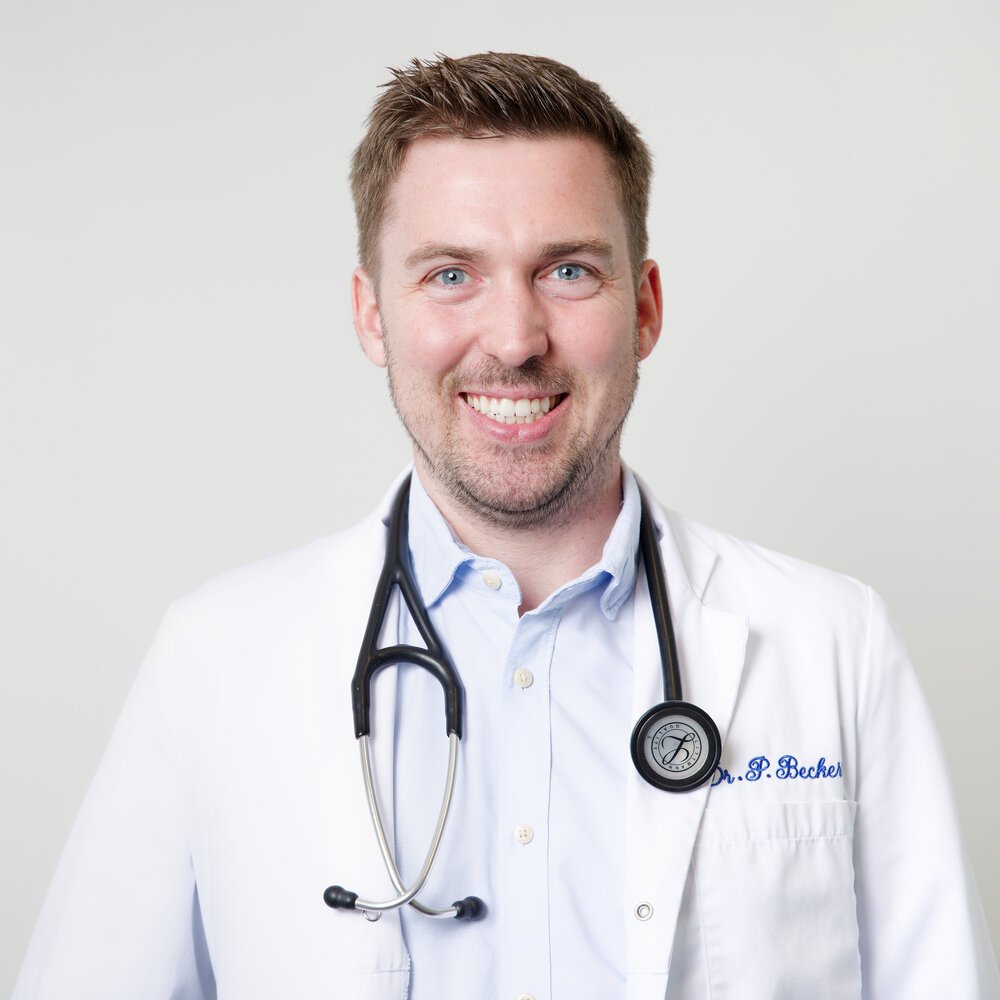
Son of Dr Martine Rixhon, Dr Pablo Beckers chose to follow a different medical path: that of clinical biology and microbiology. He is today head of the serology laboratory at CHU Liège, while continuing a consultation activity at the Centre Médical in Wandre.
This dual practice — both hospital-based and community-based — remains rare in Belgium. It creates a singular link between the demands of academic medicine and the daily attention given to the patients of the practice. Thanks to it, the centre benefits from expertise usually reserved for leading hospital institutions: specialised interpretation of biological check-ups, screening and follow-up of sexually transmitted infections, a diagnostic approach nourished by research and academic experience.
But beyond disciplines and generations, one and the same idea runs through this family story. A simple, constant conviction: medicine cannot be reduced to procedures or to results. It is built over time, in the trust granted to the doctor, and in absolute respect for each patient, their history and their dignity.
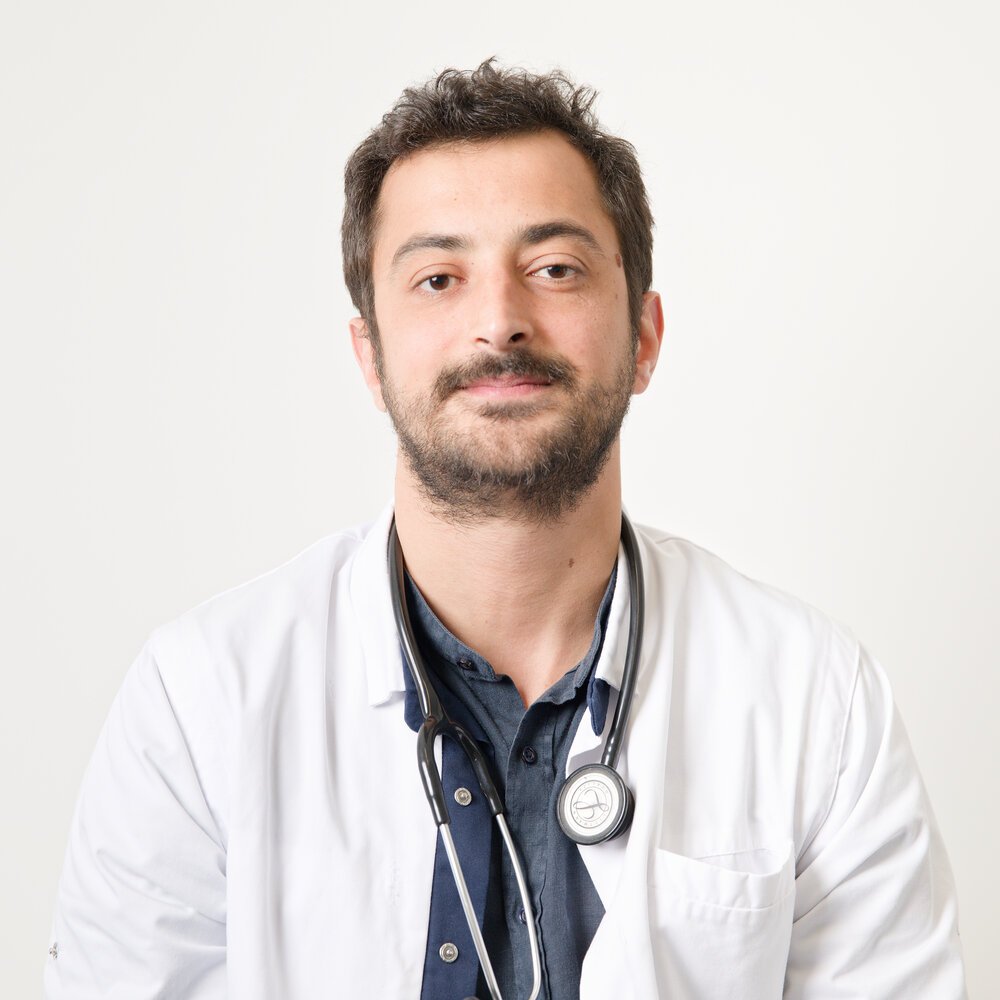
Since 2024, Dr Ghali Sqalli, specialist physician in addiction medicine and clinical toxicology, has joined the centre to develop a specialised consultation there.
Addiction medicine is a medical discipline devoted to supporting patients in their relationship with alcohol: assessment of consumption, prevention, therapeutic follow-up, and care for problematic patterns. Here, this medicine is practised in the same spirit that has inhabited the centre since its origins: without judgment, with discretion, patience and continuity.
The support relies both on clinical listening and on high-precision biological tools that make it possible to objectify the follow-up and to offer patients a rigorous, respectful and transparent medical framework.
Through this new specialised consultation, the centre naturally pursues its evolution, without renouncing what has been its foundation for three generations: a medicine attentive to people first and foremost, built on trust, time and the dignity of each individual.
The same standard. The same attention given to patients. A new generation of specialists, faithful to the spirit of the place.